How to Identify and Enjoy High Grade Cannabis Flower
Walk into any dispensary and you will see jars with names like "Purple Punch" or "Blue Dream" and prices ranging from cheap ounces to nearly double that. But price alone does not tell you what you are getting. After years of buying from brick-and-mortar stores and online dispensaries, I have learned that the real difference comes down to how the flower was grown, handled, and stored. This article walks through what makes cannabis flower truly stand out, and how to pick the best for your money.
What Sets Apart Really Good Flower
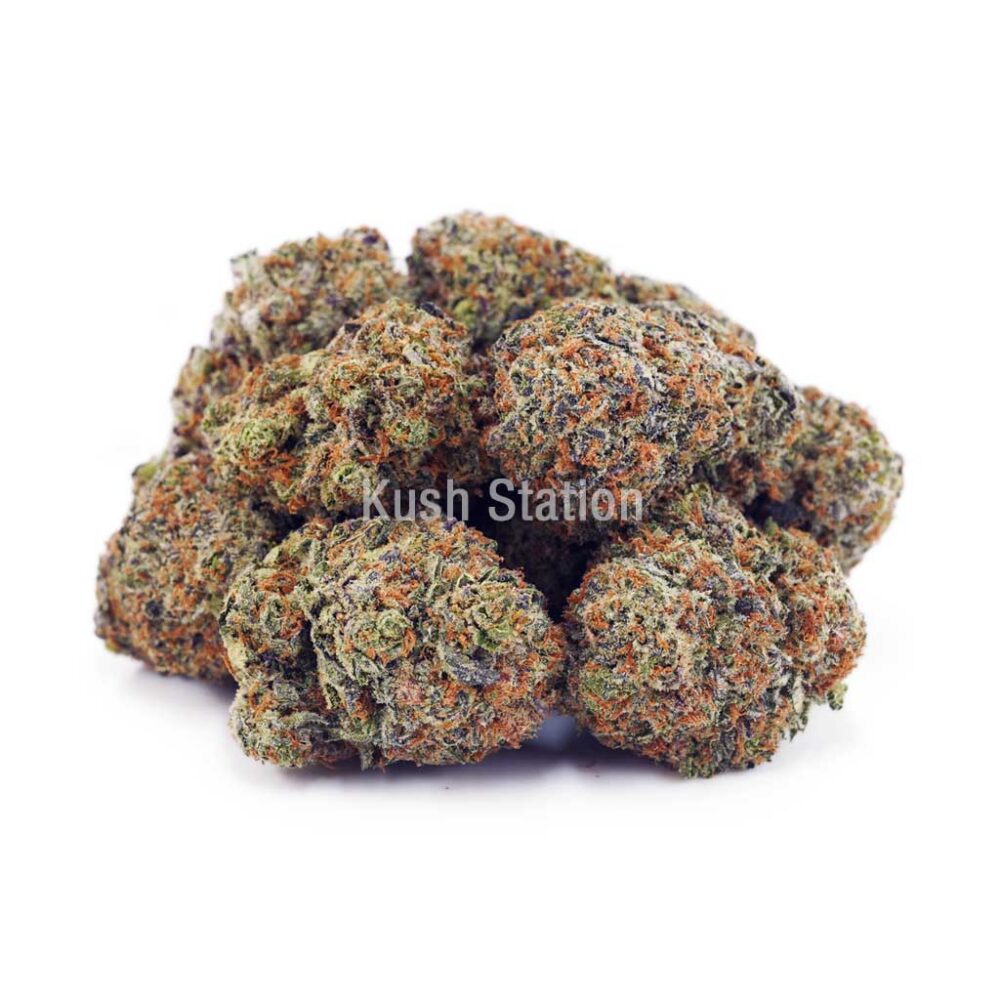
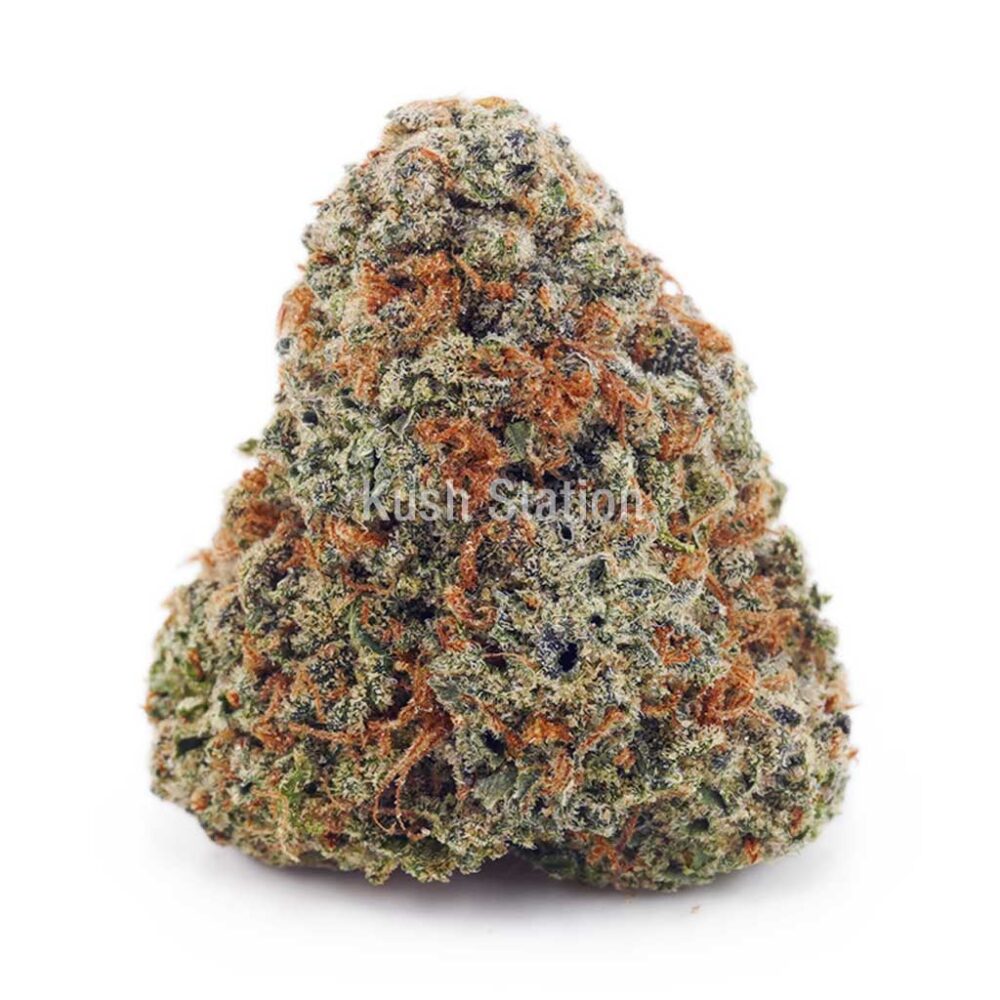
When I first started buying from Kush Station, I noticed their site grouped products by grade, with AA-grade cannabis as the baseline for their premium section. That made me curious. What does "AA" mean in practice? It is not a formal rating system, but among top growers it signals a certain level of care. The buds are dense, not airy. The trichomes are visible without a loupe. The colour is even, with minimal leaf. And the cure is done right, so the flower snaps when you break it rather than squishes or crumbles into dust.
That kind of quality does not happen by accident. It starts with the genetics. A good grower selects premium strains that suit their climate and skill. They monitor the pH of the water, the temperature swings at night, and the airflow around the canopy. They do not rush the harvest. They let the plant tell them when it is ready, not a calendar. And after harvest, they dry slowly and cure in glass jars, burping them daily for the first two weeks. That process preserves the delicate terpenes that give each strain its unique aroma and flavour.
Reading a Lab Report Like a Budtender
One of the most useful things I have learned is how to interpret third-party lab testing. Many online dispensaries now post certificates of analysis for their batches. That document tells you the exact percentages of THC and CBD, but also the minor cannabinoids and the terpene profile. For a long time I only looked at THC percentage, thinking higher was always better. But a 20% indica with a rich myrcene and linalool profile can hit harder and last longer than a 25% sativa with thin terpenes. The entourage effect is real. The cannabinoids work together, and the terpenes modulate how the THC lands in your system.
I also check the harvest date. Cannabis flower loses potency and aroma over time, especially if it has been sitting on a shelf under bright lights. Fresh harvests, ideally within the past three to six months, have brighter terpenes and a more balanced effect. If the lab report shows a harvest date older than a year, I move on. Even the best AA-grade cannabis loses its appeal after that long.
Indica, Sativa, and Hybrid: Why Labels Matter Less Than You Think
Early in my journey I obsessed over whether a strain was indica or sativa. I thought indica meant "couch lock" and sativa meant "energy." But modern breeding has blurred those lines so much that the label is only a rough guide. A high grade cannabis flower from a reputable grower will often list the dominant terpenes and the expected effects rather than just a category. I have had hybrids that felt more sedating than a pure indica, and indica-dominant strains that kept me alert and creative. The real clues are in the genetics. If a strain has a high percentage of caryophyllene and humulene, expect a relaxing body buzz. If it has limonene and pinene, expect a clearer, more uplifting experience. The best online dispensaries include that information in the product description. Use it.
Mix-and-Match Packs: A Smarter Way to Explore
One of the smartest things I have done is buy mix-and-match packs. Instead of committing to a full ounce of one strain, you can try four or five different kinds in smaller amounts. That approach taught me more about my own preferences than any review ever could. I discovered that I respond well to strains with a balanced THC-to-CBD ratio, and that my favourite aroma is a piney, earthy profile with a hint of citrus. I also learned that I prefer a hybrid that leans sativa for daytime use and an indica for evenings. Mix-and-match packs from top growers let you test that without wasting money on a half ounce you end up not enjoying.
When you open a pack, take notes. Write down the strain name, the grower, the harvest date, and what you notice about the aroma, the feel of the buds, and the effect after twenty minutes. Over time you build a personal reference guide that is far more useful than any online list of "best strains."
Storing Your Flower for Maximum Freshness
The way you store your purchase matters just as much as how it was grown. High grade cannabis flower should go into a glass jar with an airtight seal as soon as you get it. Plastic bags let in air and leach static that pulls off trichomes. They also allow the buds to dry out faster. A glass jar with a 62% humidity pack keeps the flower at the perfect moisture level for weeks. I keep my jars in a cool, dark cabinet. Light and heat degrade cannabinoids and terpenes, so a sunny windowsill is the worst place for them.
I have also started buying smaller amounts more often rather than stockpiling. That way I always have fresh flower with a recent harvest date. The difference in flavour and potency is noticeable. Old flower tastes flat and hits weakly. Fresh flower fills the room with aroma and gives a clean, rounded effect.
Building Trust with an Online Dispensary
Finding a reliable source took some trial and error. I look for an online dispensary that is transparent about its sourcing. Kush Station, for example, lists the grower for each strain and provides lab results for many of their products. That kind of openness signals that they stand behind the quality. I also pay attention to how they package the shipment. Good dispensaries use smell-proof, discreet packaging with a heat seal and a boveda pack inside. The flower should arrive as fresh as it left the grower.
Customer reviews help, but I take them with a grain of salt. A review that says "this strain is fire" tells me nothing. A review that describes the aroma, the effect duration, and the potency compared to a similar strain tells me a lot. Over time you learn which reviewers have similar preferences to yours, and you can use their notes as a guide.
Final Thoughts on Choosing What to Buy
At the end of the day, the best high grade cannabis is the one that suits your needs and your budget. Do not get caught up in chasing the highest THC number. Instead, look at the whole picture: the grower's reputation, the harvest date, the terpene profile, and the way the flower was handled after harvest. A well-grown AA-grade cannabis with a thoughtful cure will outperform a poorly grown super-high-THC strain every time. Trust your senses, read the lab reports, and do not be afraid to ask questions. A good budtender or a responsive online dispensary will help you find what works for you.
Ends · GETHIGHGRADECANNABISPATH